Places & People
Fifteen years, in frames.
A snake-infested cemetery that became a biodiversity park — held by a community that refused to forget it. These are the days, the makers, and the place itself.
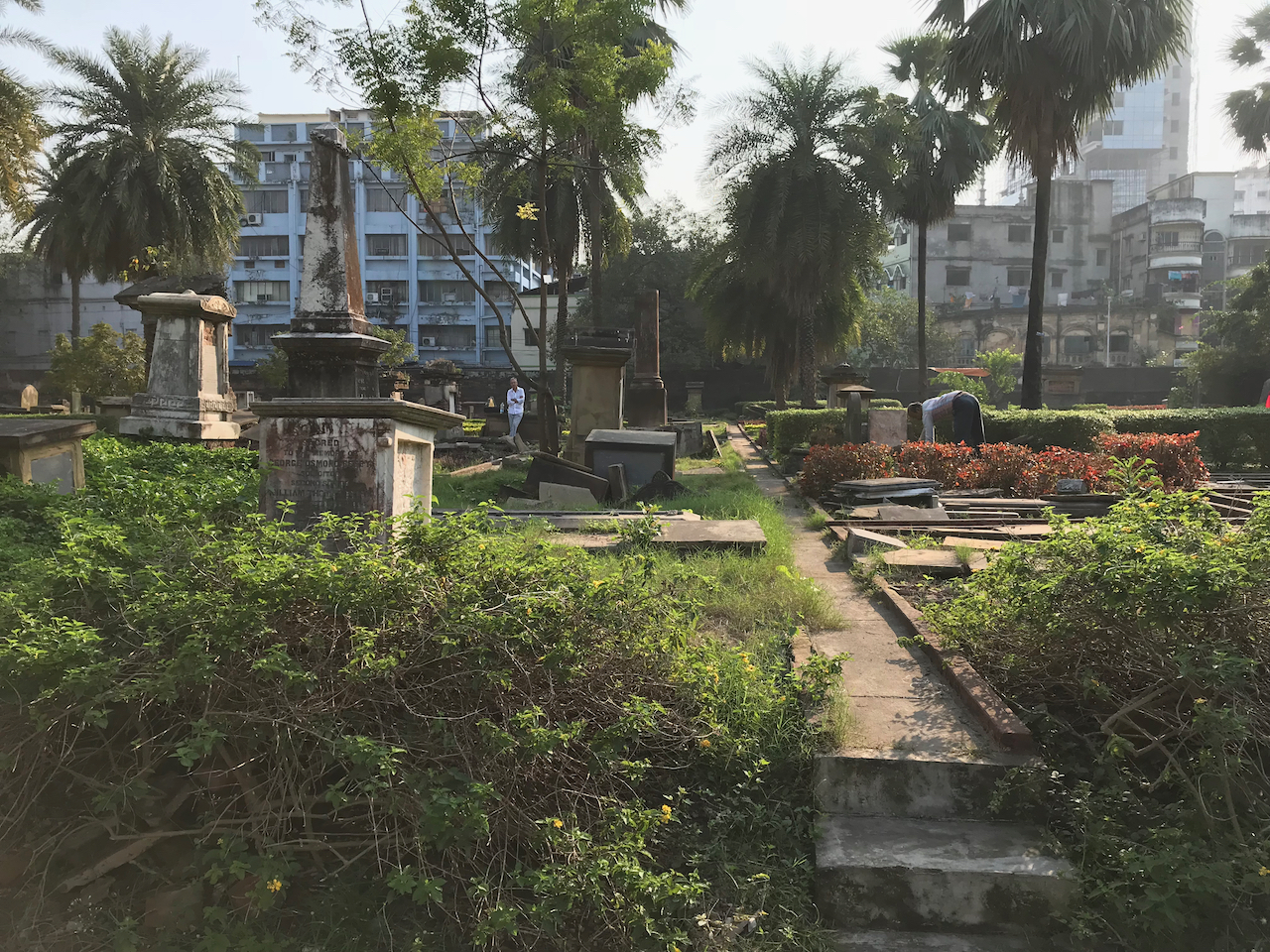
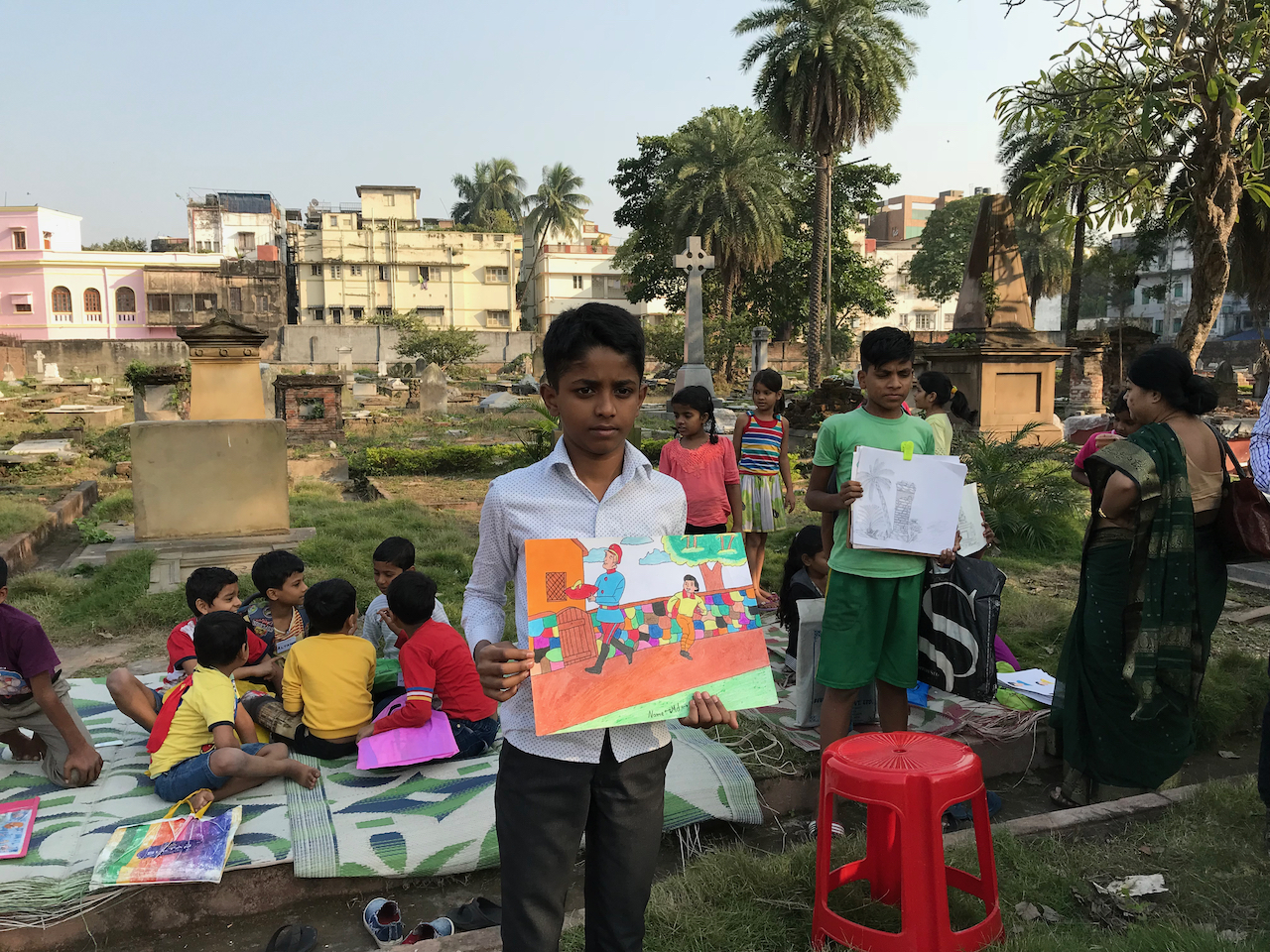
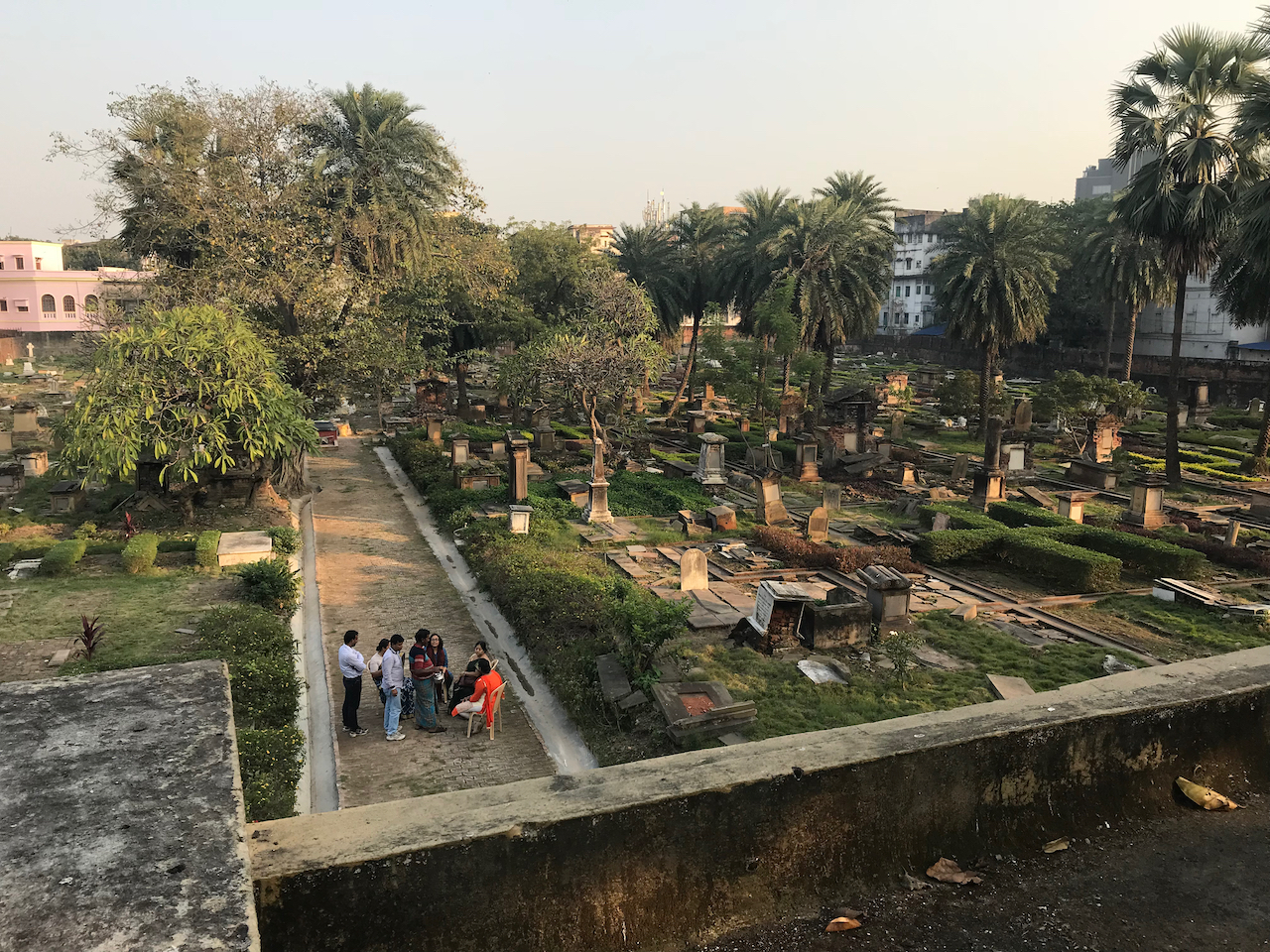
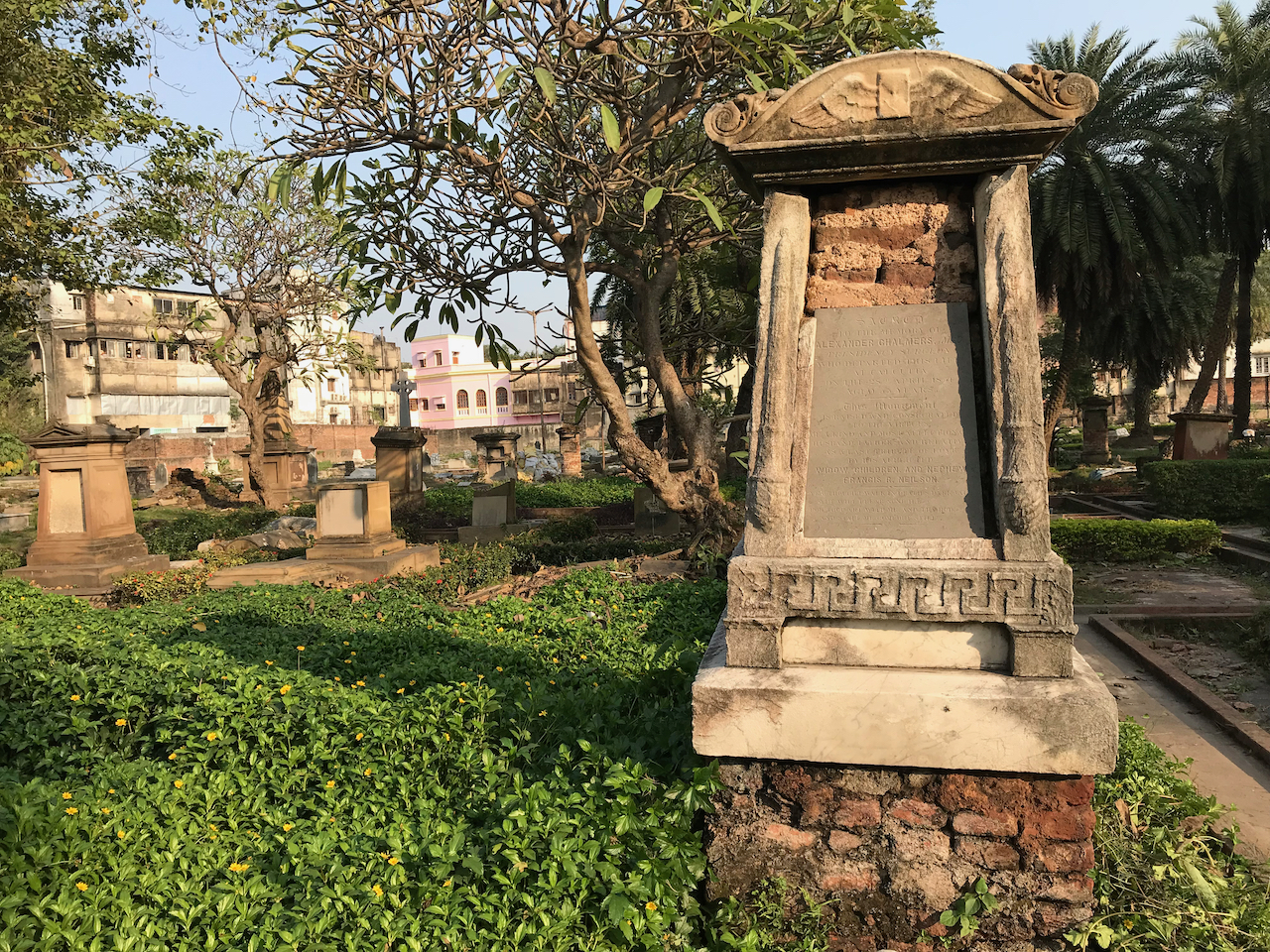
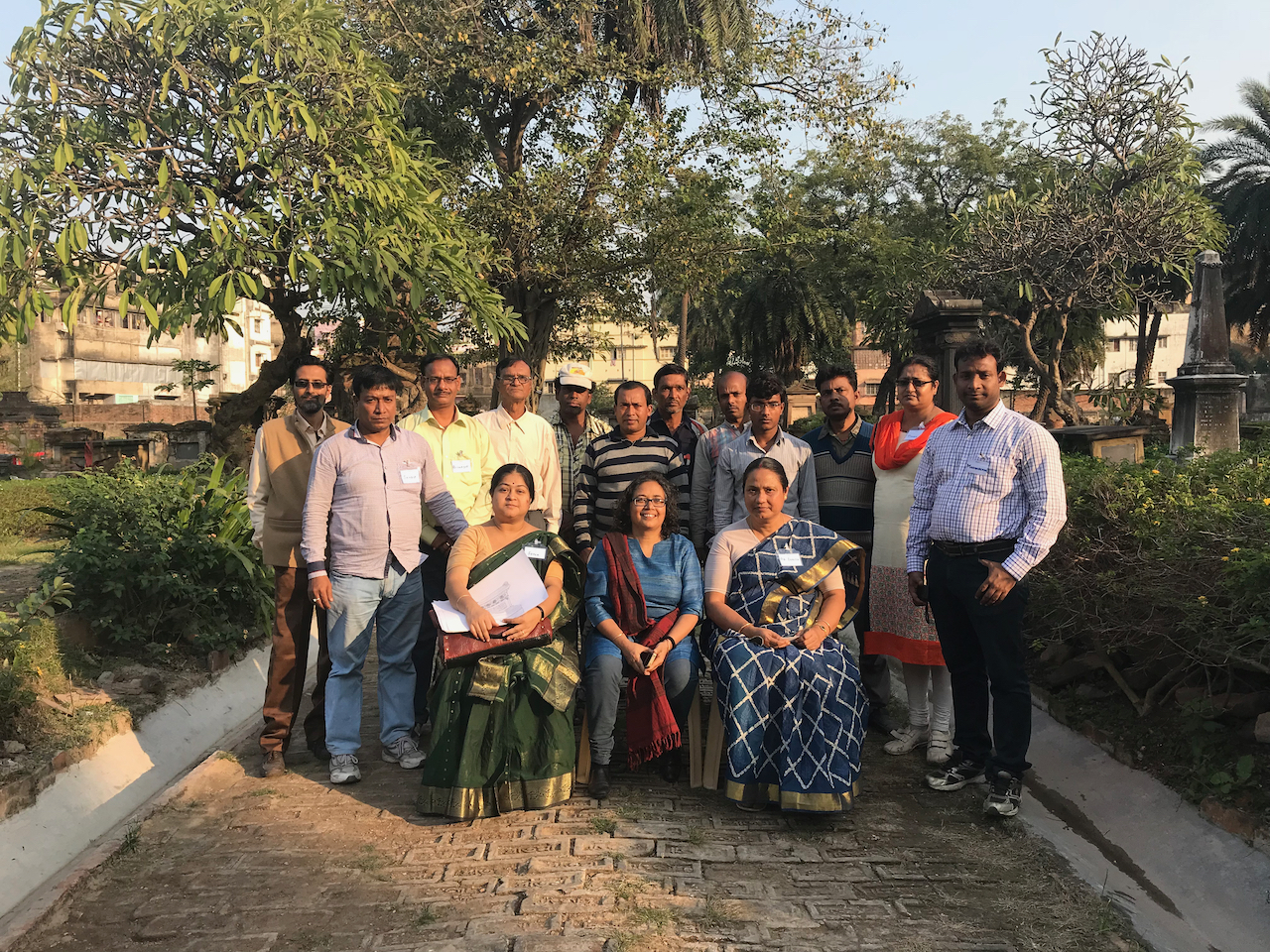
For fifteen years, Komorebi held the story of the Kolkata Scottish Heritage Trust — translating one of India's most ambitious conservation projects into a narrative the world could witness and love.
The Scottish Cemetery, Kolkata, is established by St. Andrew's Church to serve the city's large Scottish population — soldiers, missionaries, jute traders, businessmen. Over 4,000 burials. Over 1,800 headstones. Surnames that read like a map of Scotland: Anderson, McGregor, Campbell, Ross.
After India's independence, the cemetery falls into disuse. By the 1970s it is a snake-infested jungle — a hotspot for illegal activity, 3,500 tonnes of accumulated waste, and 20 feet of wild undergrowth. Invisible to the city. Forgotten by history.
Lord Charles Bruce — a lineal descendant of King Robert the Bruce — and heritage architect James Simpson establish the Kolkata Scottish Heritage Trust in Scotland. Their mission: restore the cemetery, revive the community, and turn a forgotten site into a living urban lung. Dr. Neeta Das of NSDA leads conservation on the ground.
Ishita Das begins the storytelling partnership with KSHT — building the social media presence, brand identity, and communications strategy that will carry this 15-year conservation story to audiences across India, Scotland, and the world.
Over 350 monuments restored. Community workshops. Training programmes in traditional lime mortar and terracotta craft. School engagement. A Grade-1 Heritage listing by the Kolkata Municipal Corporation. And beneath every headline — a garden growing quietly back to life.
The Scottish Cemetery now holds 70 recorded species of flora and 53 species of fauna. It has been replanted as an urban forest. A community programme provides education and outreach for families in the surrounding neighbourhood. The dead are at rest. The living have a park.
"You protect what you love. And you love what you understand. Komorebi's role was to help people understand."
— Komorebi on the KSHT partnership
Designed the visual identity for KSHT's communications — creating a language that could hold both the gravity of heritage conservation and the quiet joy of ecological revival. Legible across Instagram, reports, and community print.
Fifteen years of social media storytelling — turning conservation milestones, restoration work, seasonal biodiversity updates, and community moments into a living, breathing archive that built a global following.
Designed the communications architecture for KSHT's partnership with the architectural conservation team at NSDA — ensuring that the technical work of restoration was legible and compelling to non-specialist audiences.
Translated one of India's most complex, multi-decade conservation projects into a story that felt human, urgent, and alive — from the removal of 3,500 tonnes of waste to the return of 53 species of fauna.
The KSHT project is a living example of what happens when heritage architecture, ecological science, community engagement, and design storytelling work in full alignment. Komorebi's role was not to be at the centre — it was to hold the thread that connected all the others.
Dr. Neeta Das and NSDA led the physical conservation on the ground. Lord Charles Bruce anchored the trust and fundraising from Scotland. The community of Kolkata shaped the park's future through engagement programmes and local ownership. Komorebi made it visible — to donors, to audiences, to the neighbourhood, to the world.
This is what fifteen years looks like when everyone stays faithful to the mission.
A snake-infested cemetery that became a biodiversity park — held by a community that refused to forget it. These are the days, the makers, and the place itself.
A short film about the Scottish Cemetery and the long, quiet work of bringing it back to life.
Directed and produced as part of Komorebi's storytelling for the Kolkata Scottish Heritage Trust.
The Scottish Cemetery, Kolkata, is now a Grade-1 listed Heritage Site and a thriving urban biodiversity park. It is proof that heritage and ecology are not in tension — they are the same conversation. The dead rest in a garden. The living have somewhere to breathe.
Komorebi held the story for fifteen years. We will keep holding it.